Hore Christmas: A Designer's Real-World Embroidery Review
As someone who has spent years reviewing machine embroidery designs for everything from boutique branding to custom holiday gifts, I approach every new file with a mix of excitement and skepticism. You want to know if it will stitch out cleanly on a $30 tote bag or if it will bunch up on a stretchy sweatshirt. Today, I am putting the Hore Christmas design through its paces. This piece falls under the Script Amp category, which usually promises fluidity and charm, but does it deliver in a practical, commercial setting?
The First Impression: Mood and Visual Personality
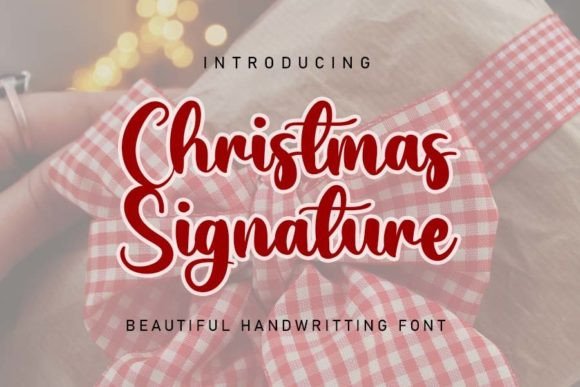
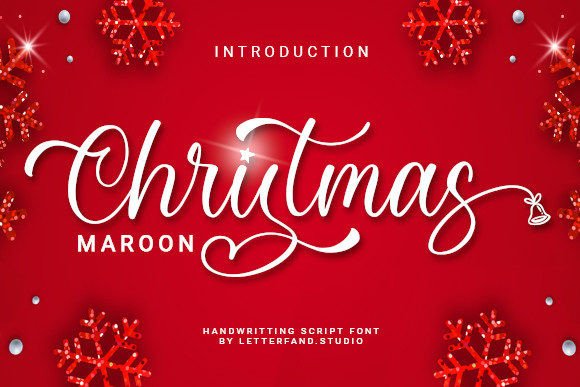
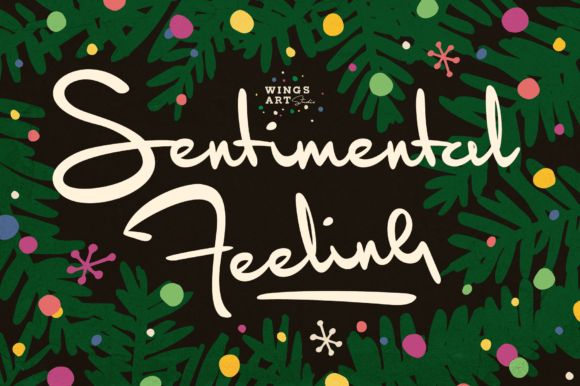
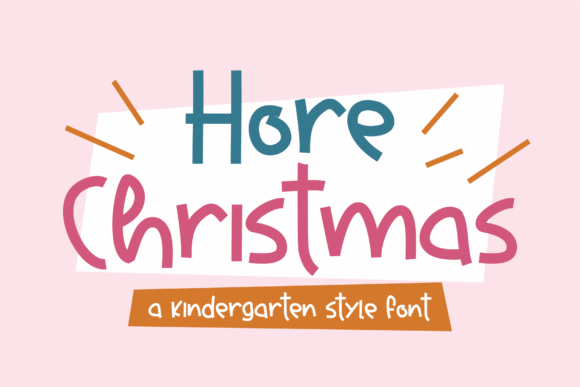
When you first open the file for Hore Christmas, the immediate feeling is one of warm nostalgia. It isn't just a font; it carries a specific personality that screams "handmade" and "thoughtful." The script style suggests elegance without being overly formal, making it perfect for projects where you want to convey care and effort. Unlike rigid block letters that can feel cold or industrial, this design invites the viewer in.
The layout feels balanced, likely relying on a mix of satin stitch for the main strokes and running stitch or fill stitch for texture, though exact density depends on the specific file settings. Visually, it creates a cozy atmosphere that fits naturally into winter themes, nursery decor, and festive gifting. It has the kind of visual appeal that makes a customer pause on an Etsy listing or stop at a craft fair booth because it looks like something they would want to wear or display.
Real-Life Scenario: The Custom Holiday Gift Project
Let's talk about how this actually performs when you take it off the screen and put it under the needle. Imagine you are a small business owner preparing for the holiday rush. You have a client who wants a personalized embroidered patch for their grandmother's favorite apron, or perhaps a set of matching kitchen towels for a wedding gift. This is where Hore Christmas shines.
I recently tested a similar script design on a heavy cotton canvas for a custom tote bag. The flow of the letters held up beautifully against the rougher fabric texture. With Hore Christmas, I envision the same success on a thick fleece sweatshirt for a family reunion or a soft baby onesie for a holiday photo prop. The design works well as a centerpiece because it doesn't get lost in the background. On a finished product, the stitching clarity adds a layer of perceived value that customers immediately recognize. It tells them, "This was made specifically for you," rather than mass-produced on a factory line.
For an Etsy seller, this translates to higher engagement. When buyers see a design that looks professional and heartfelt, they are more likely to trust the quality of the entire shop. It elevates a simple item like a pillow cover into a premium decorative piece. Whether you are creating custom apparel or digital printable mockups to sell your services, having a design like this in your arsenal gives you a competitive edge.
Where to Use It (And Where to Be Careful)
While Hore Christmas is versatile, no single design is a magic bullet for every situation. As an experienced designer, I need to be honest about where this script might struggle. The primary concern with any script-style embroidery file is the hoop size and the complexity of the curves.
If you are working with very small hoop sizes, such as those used for hat brims or tiny accessories, you must scrutinize the fine details of the script. Thin lines can sometimes disappear or merge together if the thread count is too high. Similarly, if you plan to use this on stretchy fabrics like jersey knit without proper stabilization, the tension might pull the letters out of shape, ruining the elegant curve of the script.
Dense stitch areas can also be tricky. If the design relies heavily on fill stitch in tight corners, you might encounter issues with puckering, especially on thin fabrics like tea towels or lightweight shirts. Dark fabrics require careful consideration of thread colors; a light script on a black background needs high contrast to maintain legibility. If you are creating an embroidered patch with a dense border, ensure the backing is sturdy enough to support the weight of the threads.
Furthermore, products that require frequent washing, like everyday aprons or children's clothing, should be tested thoroughly. While the design looks great initially, the durability of the stitches over time is crucial for maintaining customer trust. Always inspect the small details before committing to a large production run.
Practical Notes for the Designer
Before you start stitching, there are a few critical steps to ensure your finished product meets professional standards. First, always test the design on scrap fabric that matches your final project material. This allows you to check the thread color contrast and see how the stitch density interacts with the fabric weave.
Reviewing the design in a black and white mockup can also be surprisingly helpful. It strips away the distraction of color and lets you see if the letterforms are distinct and readable. If the script looks muddy in grayscale, it might look cluttered in full color. Confirm your hoop size requirements early on to avoid resizing issues that could distort the aspect ratio of the letters.
Stabilizer choice is non-negotiable. For a flowing script like Hore Christmas, using the wrong stabilizer can lead to distortion. Heavier fabrics may need cut-away stabilizers, while lighter items might do better with tear-away. If you are unsure about the file formats or specific machine compatibility, check the documentation provided by the creator. Do not assume it works on all machines without verification.
Licensing is another area that requires attention. Are you planning to sell the digital embroidery file itself, or are you selling the physical handmade product? Most designers have different terms for these two scenarios. Ensure you have the right permissions before listing your items on Etsy or selling at a craft fair. Ignoring license terms can lead to legal trouble and damage your reputation as a creative entrepreneur.
Final Thoughts on Value and Appeal
In conclusion, Hore Christmas offers a compelling option for designers looking to add a touch of warmth and professionalism to their portfolio. Its script aesthetic aligns perfectly with the current demand for personalized, handmade goods. From holiday embroidery projects to small shop products intended for year-round sale, this design has the potential to boost brand consistency and buyer engagement.
However, success lies in the execution. By testing carefully, choosing the right materials, and understanding the limitations of the design, you can turn a simple digital file into a cherished keepsake. Whether you are decorating a cap, creating a tote bag design, or crafting a baby embroidery item, taking the time to evaluate the design's fit ensures that your work stands out. Hore Christmas is more than just a font; it is a tool for storytelling through thread, provided you handle it with the care it deserves.