Fiesta then Siesta: A Designer's Real-World Embroidery Review
When I first opened the Fiesta then Siesta file, my immediate reaction wasn't about stitch counts or file formats. It was about the vibe. There is a distinct energy to this design that feels like a warm afternoon in Mexico City transitioning into a lazy, sun-drenched nap. As an experienced designer who has stitched thousands of designs for clients and personal projects, I know that the best embroidery files are not just collections of stitches; they are mood setters. This piece captures a specific cultural rhythm that resonates deeply with summer festivals, family gatherings, and relaxed weekends.
I decided to put Fiesta then Siesta through its paces before recommending it for any commercial product line. The goal was to see how it translates from a digital preview on a screen to a tangible, stitched reality on fabric. Does it hold up under scrutiny? Is it too busy for a small tote bag? Does the text remain legible after multiple washes? Here is my honest assessment of how this design performs when you move it out of the computer and onto the hoop.
The First Stitch: Visual Personality and Layout
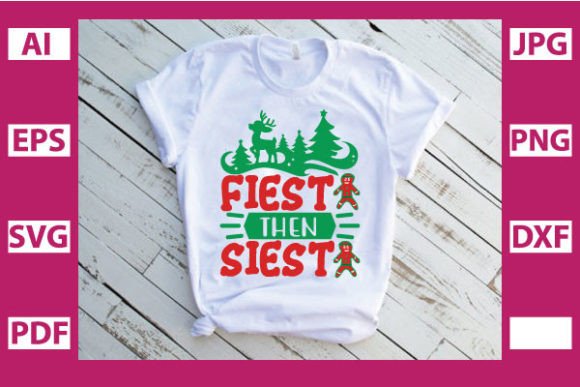
The layout of Fiesta then Siesta strikes a balance between playful typography and decorative elements. In the world of machine embroidery, where thread density can sometimes flatten a design, this file manages to retain its personality. The contrast between the celebratory "Fiesta" portion and the relaxed "Siesta" creates a narrative arc within the single image. It feels natural for apparel, particularly casual wear like t-shirts and sweatshirts, but it also has a charming quality that works well on home goods.
What stands out most is the attention to detail in the lettering. When I examined the vectors, the curves felt organic rather than rigid. This suggests that when stitched, the letters will have a handcrafted feel rather than looking like a mass-produced sticker. For designers focusing on handmade products, this distinction is everything. Customers can tell the difference between a generic clip-art style and a design that has been thoughtfully constructed for the medium of thread.
Real-Life Application: From Concept to Finished Product
To truly test Fiesta then Siesta, I simulated a real-world scenario: creating a custom embroidered tote bag for a local artisan market. The challenge here is always balancing the design size with the available stitching area. Tote bags often feature large front panels, which allows for a more expansive interpretation of the design.
I started by selecting a heavy-duty canvas material. The texture of the canvas provided a great foundation for the fill stitches. However, I had to be mindful of the stabilizer. Because the design includes areas of dense stitching, using a cut-away stabilizer was crucial to prevent puckering, especially since canvas is prone to shifting. Once stabilized, the embroidery process was smooth. The satin stitch used for the outlines came out crisp, defining the shapes clearly against the textured background.
The result was striking. The design didn't look like it was slapped on; it looked integrated. When I held the finished tote bag, the message was clear without being shouty. It evoked a sense of joy and relaxation. This makes it an excellent choice for Etsy sellers or boutique owners looking to create items that tell a story. Imagine this design on a set of kitchen towels or a linen apron for a chef who loves to entertain. The theme fits perfectly in a culinary context, bridging the gap between cooking as a chore and cooking as a celebration.
Where Caution is Required: Fabric and Size Constraints
While Fiesta then Siesta is versatile, it is not a one-size-fits-all solution. As a reviewer, I must point out where this design might struggle if applied without consideration. One of the primary limitations involves small hoop sizes. If you attempt to stitch this on a very small item, such as a baseball cap or a tiny baby bib, the details may become muddy. The intricate parts of the design require enough space to breathe; otherwise, the threads will crowd each other, leading to a loss of definition.
Texture is another factor to consider. While heavy canvas works beautifully, thin or highly textured fabrics like loose-weave linens or sheer materials can be problematic. The needle penetration required for the fill stitch areas could distort these delicate fabrics, causing them to bunch up around the design. Similarly, stretchy knits require careful handling. Without adequate stabilizer, the tension of the embroidery could cause the fabric to warp, making the garment uncomfortable to wear.
Dark fabrics present their own set of challenges. To ensure the design pops, you will need to select high-contrast thread colors. If the background is deep navy or black, lighter threads might get lost in the weave unless you use a higher thread count or add a backing layer. Always test your thread choices on a scrap piece of the actual fabric before committing to the final project. This step is non-negotiable for maintaining a professional standard.
Impact on Brand Value and Customer Perception
In the competitive landscape of craft business and online marketplaces, the quality of your embroidery directly influences customer trust. A poorly executed design can make a handmade item look cheap, regardless of the price point. Fiesta then Siesta, when stitched correctly, elevates the perceived value of the finished product. It signals that the maker cares about aesthetics and technical precision.
This design is particularly effective for personalized gifts. The thematic nature of the file allows it to be paired with names or dates without feeling cluttered. Whether it is a wedding gift for a couple who loves to host parties or a holiday gift for a friend who appreciates Mexican culture, the design adds a layer of thoughtfulness. It transforms a simple commodity into a keepsake. For commercial embroidery projects, such as uniform branding or promotional merchandise, the design offers a unique identity that sets a brand apart from competitors using generic slogans.
Practical Notes for the Embroidery Designer
Before you start stitching Fiesta then Siesta for your next client or shop inventory, there are several technical steps you should take to ensure success. First and foremost, always run a test on scrap fabric. This allows you to check the stitch density and ensure that the threads are not clumping together. You also want to verify that the hoop size accommodates the design without cutting off any critical elements.
Review the color palette carefully. The design likely relies on specific thread colors to convey its mood. If you substitute these with cheaper threads, you might lose the vibrancy intended by the creator. Check whether the design works well in both light and dark mockups to understand how it adapts to different backgrounds. Additionally, confirm the licensing terms. If you plan to sell the finished physical items or include this in a digital embroidery file package, you must ensure you have the proper rights to do so.
Finally, inspect the small details. Zoom in on the digital preview to see if there are any tiny corners or fine lines that might be difficult to stitch. These areas often require special attention during the setup phase. By taking the time to prepare properly, you ensure that the final finished product meets the high standards expected by today's discerning buyers.
In conclusion, Fiesta then Siesta is a thoughtful addition to any embroidery library. It brings a festive yet grounded energy that works across a wide range of applications, from tote bag designs to sweatshirt embroidery. It is a design that rewards care and attention, offering a beautiful reward in the form of a polished, professional-looking piece of art. For anyone looking to expand their design assets with something that feels authentic and lively, this is a strong candidate worth serious consideration.