Hello Script Amp: A Seller's Review for Digital Products
I have been creating and selling digital assets for years, and I know that the difference between a listing that gathers dust and one that sells out often comes down to the specific fonts and design elements you choose. Recently, I was evaluating a new graphic design asset called Hello to see if it would fit into my upcoming product collection. My goal was simple: find a versatile element that could elevate SVG designs, printable wall art, and sublimation graphics without looking generic or overused.
This review is written from the perspective of an experienced digital seller who needs practical, business-minded advice before adding a new tool to their commercial toolkit. Whether you are an Etsy seller, a print-on-demand entrepreneur, or a Cricut user looking to expand your catalog, understanding the true potential of an asset like Hello is crucial for building a profitable handmade business.
First Impressions and Niche Appeal
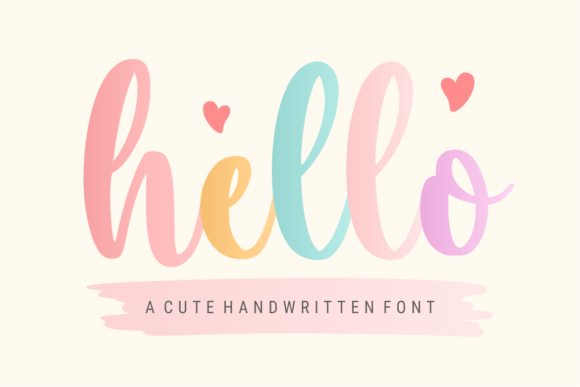
When I first opened the file for Hello, the immediate feeling was one of approachable elegance. In a sea of bold, blocky sans-serif fonts and overly intricate calligraphy scripts, this asset strikes a balance that feels both modern and personal. It does not scream for attention; instead, it invites the viewer in with a friendly, handwritten personality.
The visual weight of Hello suggests it is perfect for niches that value authenticity. It works exceptionally well for feminine brands, lifestyle bloggers, and small businesses that want to convey warmth and care. If you are targeting audiences interested in wedding invitations, nursery decor, or motivational quotes, this font has the right mood. However, if your brand identity relies on extreme minimalism or industrial grit, you might find it too soft. The key is knowing your customer base.
Real-World Application for Digital Sellers
I decided to test Hello across several different product categories to see how it performs as a commercial design element. The versatility of this script amp made it a strong candidate for multiple formats.
SVG and Cut Files: For Cricut and Silhouette users, clean lines are non-negotiable. I tested Hello as a standalone cut file for vinyl decals. The curves were smooth, making it ideal for t-shirt designs, mug wraps, and tote bag prints. It cuts cleanly even at smaller sizes, which is rare for decorative scripts.
Printables and Wall Art: I used the asset to create a series of printable wall art pieces. Because Hello has a distinct personality, it served as a perfect focal point for framed typography posters. When paired with a clean serif font for the body text, the visual hierarchy was excellent, guiding the eye naturally through the design.
Canva Templates and Social Media: Many creators sell Canva templates for Instagram stories or blog headers. Hello added a touch of premium flair to these layouts. It transformed standard social media graphics into something that looked custom-made, increasing the perceived value of the template bundle.
Seasonal Bundles: As I prepared for the holiday season, I integrated Hello into greeting card designs and Christmas ornament graphics. Its festive yet timeless vibe meant it could be used year-round, not just during holidays, making it a valuable addition to any creative marketplace inventory.
Enhancing Product Presentation and Mockups
In the world of digital downloads, what you sell is often invisible until the customer opens the file. This is where product presentation becomes everything. Using Hello effectively can significantly boost click-through rates on platforms like Etsy or Creative Fabrica.
I created mockup previews featuring Hello applied to tumblers and laptop skins. The font's legibility ensured that the thumbnail image remained clear even when scaled down. On crowded marketplaces, a clear, attractive preview is the only way to stand out. By using Hello in the main listing image, I was able to tell a story of quality and style before the buyer even clicked on the product page.
Furthermore, consistency matters. By using Hello across a collection of products—from planner stickers to digital paper packs—I created a cohesive brand identity. Customers trust shops that look professional and organized. This asset helped me maintain that level of polish across diverse product types.
Strategic Placement and Limitations
While Hello is a powerful tool, it is not a magic bullet for every situation. As a seller, you must know where to use it carefully to avoid disappointing customers.
Where It Works Best: This asset shines in large product previews, themed bundles, and decorative layouts. It is perfect for merchandise graphics where the text is the main feature, such as on mugs, t-shirts, and tumbler wraps. It also excels in digital downloads like invitation templates and scrapbooking kits where space allows for its full expression.
Where to Use Caution: Do not attempt to use Hello for tiny sticker details or complex layouts where space is extremely limited. The fine strokes of the script may disappear or become blurry if printed at a very small scale. Additionally, avoid placing it on dark backgrounds without ensuring sufficient contrast, as the delicate lines can get lost. If you are creating a text-heavy template, relying solely on this font can make the design feel chaotic rather than balanced.
Practical Seller Notes for Commercial Success
Before publishing any listing featuring Hello, I recommend running through this checklist to ensure your digital product meets high standards.
- Test on Real Mockups: Never rely on a flat screenshot. Apply the design to realistic mockups to see how it looks in a real-world context.
- Check Contrast: Preview the design on both white and dark backgrounds to ensure readability.
- Verify File Quality: Confirm PNG transparency is clean and check SVG cut quality to ensure there are no stray points or broken paths.
- Font Pairing: Hello pairs beautifully with a sturdy sans-serif font for contrast or a classic serif font for elegance. Avoid pairing it with another script unless you are an expert in typography.
- Licensing: Always confirm the commercial license terms. Ensure you have the right to sell finished physical products (like printed shirts) and digital files (like sublimation designs) derived from the asset.
- Organize Your Files: Create clear folders for your customers. Include instructions on how to use the Script Amp features if applicable, and provide examples of successful pairings.
By following these steps, you protect your reputation as a creator and ensure your customers receive a high-quality design asset that they can use with confidence.
Final Verdict for Your Shop
Hello is more than just a pretty font; it is a strategic tool for building a professional online shop. It fits seamlessly into the ecosystem of modern digital commerce, from print-on-demand services to boutique Etsy stores. Its ability to add character to sublimation designs, sticker designs, and brand identity projects makes it a worthy investment for any creative entrepreneur.
If you are looking to upgrade your digital download offerings or create a more cohesive design bundle, testing Hello is a smart move. Just remember to respect its limitations, test it thoroughly, and always prioritize the end-user experience. With the right application, this asset can help transform your creative ideas into a thriving, profitable business.