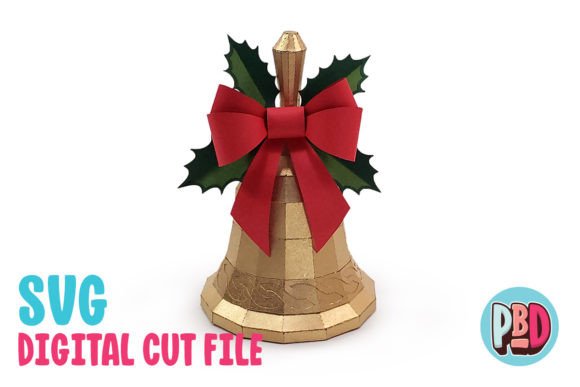
Christmas Bell 3D Papercraft Review for Holiday Branding
As a brand designer who has spent years refining visual identities for seasonal campaigns, I recently evaluated Christmas Bell 3D Papercraft as a potential core asset for a client launching a premium holiday collection. The initial impression of this graphic design asset is immediate and striking. It does not feel like a generic clipart download; instead, it carries the tactile weight of a handmade object. The depth created by the 3D papercraft style instantly elevates the perceived value of any content it touches. When placed on a digital screen or printed on packaging, it suggests craftsmanship, attention to detail, and a warm, nostalgic tone that resonates deeply with audiences during the festive season.
This specific mood makes it an ideal choice for brands aiming to communicate authenticity and care. Whether you are a small business owner selling handmade goods or a content creator building a lifestyle brand, this illustration bridges the gap between modern digital aesthetics and traditional holiday charm. It avoids the cluttered look often associated with low-quality vector art, offering a clean yet textured appearance that feels professional without being stiff. For marketers looking to refresh their social media graphics or update their website headers, Christmas Bell 3D Papercraft provides a strong visual anchor that commands attention while maintaining elegance.
Integrating the Asset into a Real Marketing Campaign
Consider a scenario where a boutique candle company is preparing to launch a limited-edition winter scent line. They need a cohesive visual strategy that works across Pinterest pins, Instagram stories, and physical packaging inserts. This is where the versatility of Christmas Bell 3D Papercraft becomes critical. In my review, I visualized how this design asset could serve as the hero element for their campaign headers. The 3D effect adds a layer of dimensionality that flat icons simply cannot achieve, making the product presentation more immersive.
The workflow would involve placing the bell illustration alongside the new product photography to create a unified visual hierarchy. Because the asset is designed with a papercraft aesthetic, it pairs naturally with kraft paper textures or matte finishes often used in eco-friendly branding. For the digital side, it can be utilized as a decorative element in email banners or as a key component in lead magnets, such as a printable holiday guide. By integrating this creative design into their content marketing strategy, the brand creates a memorable experience that encourages higher engagement rates. The asset acts as a visual cue that signals quality, helping to build audience trust before the customer even clicks on the product page.
Performance Across Diverse Brand Touchpoints
The true test of any commercial design asset is its adaptability across various platforms. Christmas Bell 3D Papercraft performs exceptionally well when applied to logo design concepts for seasonal pop-up shops or as a central motif in editorial design layouts. Its detailed structure allows it to stand out in crowded feeds, such as Facebook ads or LinkedIn promotional posts, where stopping the scroll is the primary objective. The asset works particularly well for digital sellers creating Canva templates, as the distinct shape provides a clear focal point for users to customize with their own text.
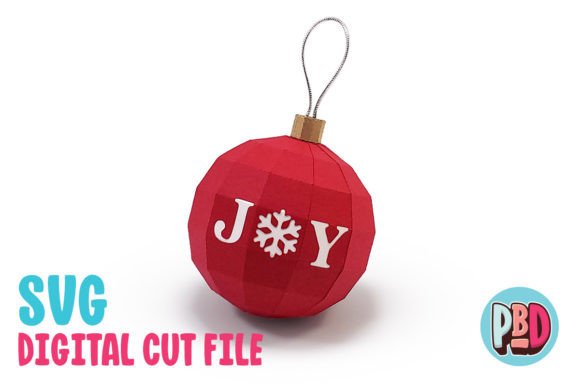
In the realm of packaging design, this PNG design offers significant value. Imagine using it as a die-cut window accent on a gift box or printing it on product labels for holiday bundles. The 3D illusion mimics the look of a physical ornament, adding a touch of luxury to standard retail items. For web design, it serves as an excellent decoration for blog graphics or website headers, breaking up large blocks of text and guiding the user's eye toward call-to-action buttons. Furthermore, its scalability ensures it remains crisp whether used as a sticker for merchandise or as a small icon within a mobile app interface.
Strategic Benefits for Visual Hierarchy and Trust
From a strategic perspective, incorporating Christmas Bell 3D Papercraft into your brand identity supports several key marketing goals. First and foremost, it strengthens the first impression. A polished, high-quality illustration immediately communicates professionalism, reducing the cognitive load required for a user to assess the credibility of the brand. This clarity contributes to better product presentation and improved audience trust, which are essential for converting casual browsers into loyal customers.
The asset also enhances emotional connection. The bell is a universal symbol of celebration and joy, and the papercraft style evokes memories of crafting and holiday traditions. This emotional resonance helps create stronger recognition and more memorable campaign visuals compared to standard stock imagery. By maintaining visual consistency across all channels—from social media covers to downloadable PDFs—the brand establishes a reliable presence. This consistency is vital for small business branding, where every interaction counts towards building a reputation for quality and reliability.
Optimal Placement and Strategic Limitations
To maximize impact, Christmas Bell 3D Papercraft should be deployed in areas requiring visual emphasis. Hero graphics, campaign headers, and product launch visuals are prime locations where its complexity shines. It excels as a branded template element for content bundles, ensuring that all materials share a cohesive look. However, there are scenarios where this asset requires careful consideration. In formal corporate branding, the playful nature of the papercraft style might clash with a strictly serious tone. Similarly, in dense information layouts or text-heavy ads, the detailed edges of the illustration could compete with the main message, causing visual noise.
Designers must also be cautious when using the asset on low-contrast backgrounds or in very small mobile graphics. If scaled down too much, the intricate details of the 3D effect may blur, losing its intended impact. Overly minimal brands that rely on stark simplicity might find the texture of this design asset too busy. Therefore, it is best suited for brands that embrace warmth, creativity, and a slightly rustic or artisanal aesthetic rather than those seeking ultra-modern, flat design minimalism.
Essential Technical Checks for Designers
Before finalizing any campaign, practical brand designer notes suggest running a few critical tests. First, evaluate the asset against your existing brand color palette. Does the bell complement your primary colors, or does it overpower them? Testing the design in black and white usage is also crucial to ensure the contrast holds up if printed on monochrome stationery. Placing the illustration inside real campaign mockups allows you to see how it interacts with actual copy and layout constraints.
Previewing the asset on mobile screens is non-negotiable in today's market. Check readability in small sizes to ensure the details remain visible. Compare it against competitor visuals to confirm it stands out without feeling derivative. Typography pairing is another vital step; this illustration pairs beautifully with serif fonts for a classic look, sans-serif fonts for a modern twist, or script and handwritten fonts to enhance the handmade vibe. Review spacing and balance carefully to avoid clutter. Finally, always confirm the commercial license before using it in paid campaigns, client work, or business branding to protect your intellectual property rights.
Ultimately, Christmas Bell 3D Papercraft represents a robust addition to any creative marketplace library. It offers a blend of modern design sensibilities and traditional holiday spirit that can elevate the visual output of digital products, printable designs, and marketing visuals. For content creators and small business promotion efforts, it provides the professional polish needed to make a lasting impression in a competitive landscape.